
Celebrating Shirley Chisholm: A Trailblazer in Campaign Communication | BHM
Presidential Communications path of Shirley Chisholm
AFRICAN AMERICAN COMMUNICATORS
Thomas Y. Lynch
2/22/20252 min read
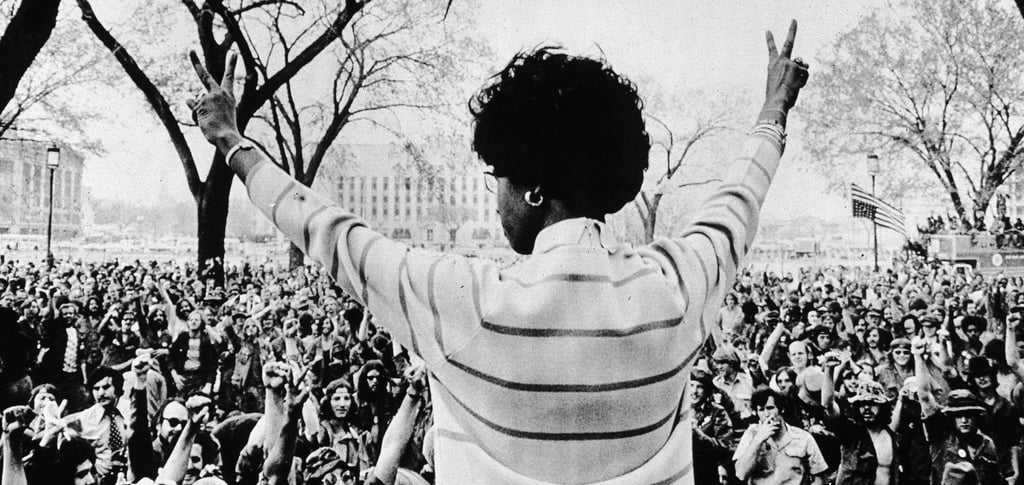

When we think about political pioneers, Shirley Chisholm’s name shines brightly. She wasn’t just the first African American woman elected to Congress; she was a groundbreaking candidate who changed the way we think about communication in political campaigns. Let’s take a closer look at three positive communication highlights from her historic campaign and how she navigated the choppy waters of racism and sexism.
1. Authentic Storytelling
Chisholm understood the power of personal narrative long before it became a buzzword in political strategy. She wasn’t afraid to share her own story as a child of immigrant parents, growing up in a tough Brooklyn neighborhood. She brought her authentic self to the campaign trail, connecting with voters on a human level. Her slogan, “Unbought and Unbossed,” was more than just a catchy phrase—it encapsulated her commitment to her constituents and her refusal to be swayed by the political establishment. Chisholm’s ability to wtable and memorable, allowing her to resonate with audiences across diverse backgrounds.
2. Groundbreaking Use of Media
In an era when television was becoming a dominant force in politics, Chisholm embraced it wholeheartedly. She used televised debates, interviews, and even her speeches to not only elevate her platform but also to engage with a wider audience. Chisholm’s campaign was one of the first to actively use media to amplify a progressive message, breaking down barriers and making her voice heard in spaces where women and people of color were often marginalized. She didn’t shy away from the camera; instead, she used it as a tool to challenge the status quo and advocate for issues like education, healthcare, and civil rights.
3. Coalition Building
Chisholm recognized early on that to create real change, one had to build bridges—not walls. Her campaign was notable for its emphasis on coalition-building among different groups, including women, African Americans, and the working class. She didn’t just campaign for herself; she campaigned for the rights and voices of many who were often overlooked. By fostering a sense of unity and shared purpose, Chisholm was able to galvanize support across various demographics, proving that collective strength could drive progress.
Navigating Racism and Sexism
Chisholm’s campaign wasn’t without its challenges. As a Black woman running for president in 1972, she faced both racism and sexism head-on. She was often dismissed by the media and faced significant backlash from her own party. However, her resilience was unmatched. Instead of allowing these obstacles to silence her, she used them as fuel for her fire. Chisholm famously declared, “If they don’t give you a seat at the table, bring a folding chair,” perfectly encapsulating her fierce determination to carve out a space for herself and others like her.
Conclusion
Shirley Chisholm’s campaign was a masterclass in communication, authenticity, and coalition-building. Her legacy continues to inspire new generations of leaders who strive for equality and representation in politics. To learn more about this incredible woman and her contributions, check out the following online resources:
- The National Women’s Hall of Fame: Shirley Chisholm
- The National Museum of African American History and Culture : Shirley Chisholm for President
Chisholm’s story is a testament that when you communicate with passion and purpose, you can not only change hearts and minds but also pave the way for future generations to follow. Let’s keep her spirit alive by advocating for inclusivity and equality in our communities!
Thomas Y.Lynch
Shirley Chisholm
Quick Look - Shirley Chisholm

“How well we communicate is not determined by how well we say things but how well we are understood.”