
Community vs. Congregation - Communications Style Comparison
Comparing Government and Church Communications: Finding Common Ground with Unique Differences
GOVERNMENT COMMUNICATIONS
Thomas Y. Lynch
5/11/20253 min read
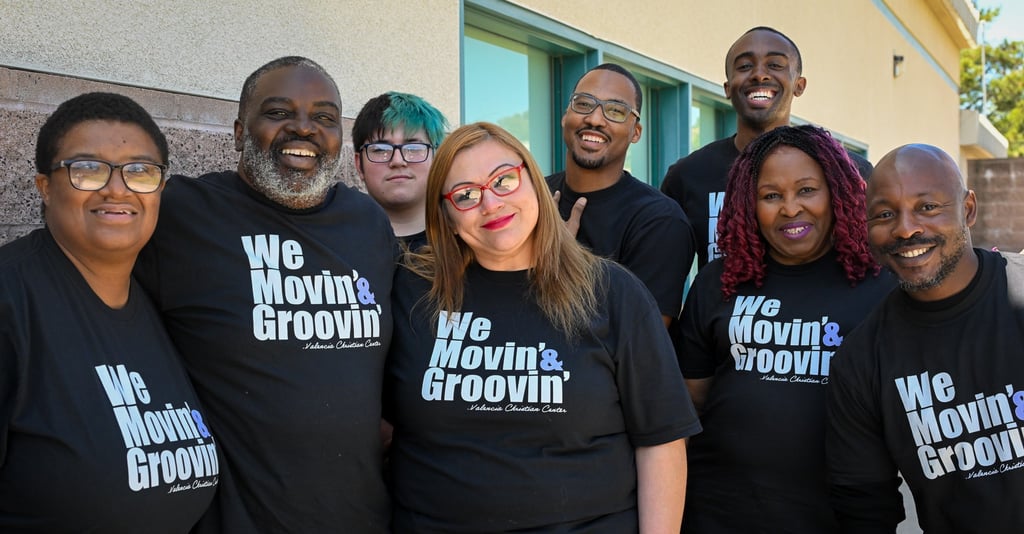
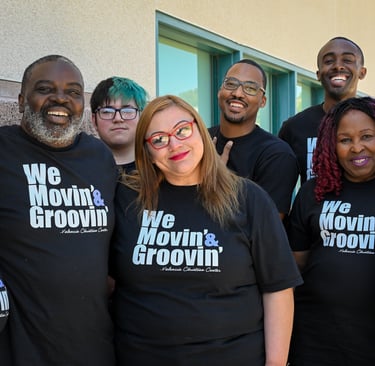
During most of my professional career I’ve had a connection between my profession and my faith. From the early days of freelance shooting church functions and sermons, until today where I am the director of my church’s media team (pictured above). I’ve always been fascinated about the similarities between church and government communications.
When it comes to communication strategies, government agencies and churches may seem worlds apart. One serves a broad, diverse public with policies and services, while the other seeks to inspire and guide people in their faith journey. However, both share the same ultimate goal: to connect with people in meaningful ways. As someone who leads a church media team, I’ve observed key differences and similarities between these two fields. Let’s explore three main areas where they diverge and overlap: audiences, messaging, and tools of the trade.
1. Audiences: Connecting Through Shared Beliefs
One of the most striking differences between government and church communications lies in their audiences. Government communications must address a wide, often fragmented, group of people with varying beliefs, values, and priorities. This diversity makes it challenging to craft messages that resonate universally.
Church communications, on the other hand, have the advantage of speaking to an audience that often shares a common belief system or spiritual foundation. This shared faith creates a natural connection, making it easier to engage people on a deeper level. For example, when a church communicates about hope, grace, or service, the audience is more likely to understand and embrace the message because it aligns with their existing values.
In contrast, government communicators must work harder to find common ground, often relying on neutral, fact-based messaging to avoid alienating segments of their audience. While both fields require empathy and understanding, church communicators can lean into the shared beliefs of their audience to foster trust and connection more quickly.
2. Messaging: The Power of High-Context Communication
Another key difference is in the style and depth of messaging. Government communication often leans on low-context communication—messages that are straightforward, clear, and accessible to a wide range of people. Think of public service announcements or policy updates. These messages need to be as inclusive and unambiguous as possible, given the diversity of the audience.
Church communications, however, can use high-context communication, which assumes a shared understanding of values, traditions, and even language. For example, referencing scripture, using metaphors, or sharing faith-based stories can create a sense of connection and meaning that resonates deeply with the congregation. This ability to use faith-based messaging allows church communicators to speak to the heart, not just the mind.
That said, this doesn’t mean church communicators can ignore clarity or accessibility. Just like government messaging, church communications must remain inclusive, especially as congregations become more diverse. The balance lies in maintaining the richness of high-context communication while ensuring everyone feels included and understood.
3. Tools of the Trade: Similar Strategies, Different Purposes
Despite the differences in audience and messaging, the tools used in both government and church communications are remarkably similar. Both rely on a mix of traditional and digital media to reach their audiences effectively. Websites, social media platforms, email campaigns, press releases, and even video production are staples in both fields.
The key difference lies in how these tools are deployed. Government communicators often focus on broad public awareness campaigns, using data-driven strategies to reach as many people as possible. Church communicators, on the other hand, often prioritize relational engagement. While social media posts and email newsletters are important, so are personal interactions, small group discussions, and community events.
Both fields also face the challenge of cutting through the noise in a world saturated with information. Whether you’re a government Public information Officer or a church media director, the goal is to ensure your message doesn’t just reach people—it resonates with them. This requires creativity, consistency, and a deep understanding of your audience.
Conclusion: Using Skills to Connect the Message to the People
While there are clear differences between government and church communications, the essence of the work remains the same: connecting people to a message that matters. As the director of a church media team, I’m constantly reminded of the importance of using my skills to bridge the gap between the message and the people it’s meant to reach.
Whether it’s crafting faith-filled stories that inspire or leveraging digital tools to engage our congregation, my role is to ensure that every communication is meaningful, authentic, and impactful. By learning from both the similarities and differences between these fields, I’m better equipped to serve my church and help others encounter the transformative power of faith.
Thomas Y. Lynch


“How well we communicate is not determined by how well we say things but how well we are understood.”