
Diane Nash The Personification of "Call to Action" | BHM
Diane Nash and her effect on communications in the Civil Rights Movement
AFRICAN AMERICAN COMMUNICATORS
Thomas Y. Lynch
2/15/20253 min read
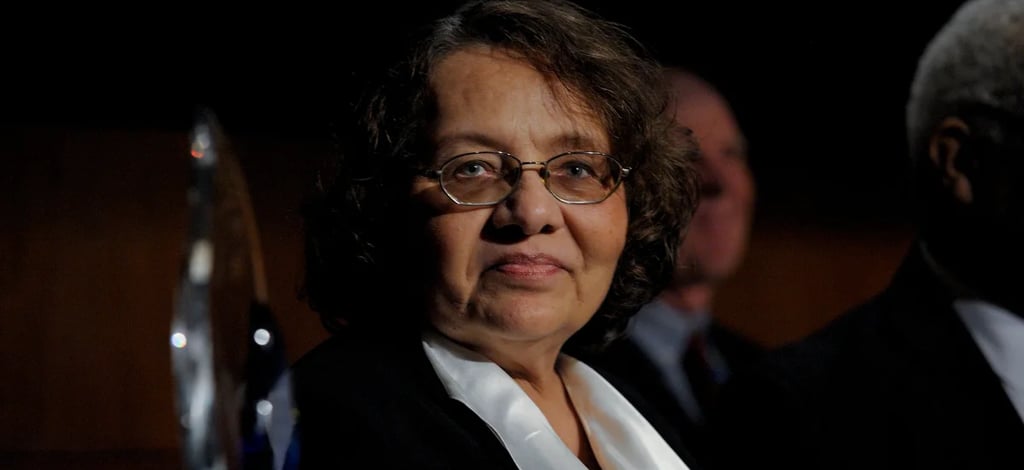
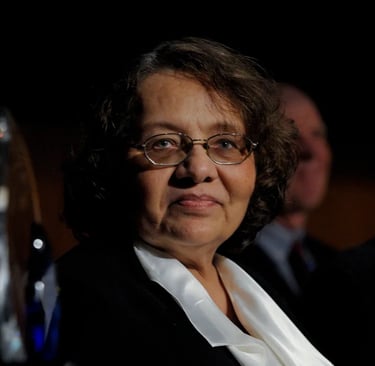
I named my blog COMMotion, because I believe that words cause change. Change in how we feel, work, think and exist. The most important attribute of words is that they are a catalyst of enlightenment. I have featured prominent African American Communicators during Black History Month, and this post is no different. Although this woman did her greatest work behind the scenes she was an integral voice in the Civil Rights Movement. She communicated with strategy and action! We all know that communication term “call to action” Judith Nash is its personification.
Diane Judith Nash, born on May 15, 1938, is a prominent American civil rights activist known for her leadership and strategic influence within the student segment of the Civil Rights Movement. Nash played a crucial role in numerous impactful campaigns during this pivotal time. Notably, she was involved in the first successful campaign to integrate lunch counters in Nashville, led the Freedom Riders in their efforts to desegregate interstate travel, co-founded the Student Nonviolent Coordinating Committee (SNCC), and helped launch the , contributing significantly to the Selma Voting Rights Movement.
Nash orchestrated several key campaigns, that were the pillars of the Civil Rights Movement. She not only led the campaigns but was very strategic about the method of execution and how it would play out in the public realm. Let’s explore her 3 major campaigns and the communicative affect on public perception.
Judith Nash was a crucial figure in some of the most transformative campaigns of the Civil Rights Movement. Her work on the Freedom Rides, the lunch counter sit-ins, and the founding of the Student Nonviolent Coordinating Committee (SNCC) not only galvanized public opinion but also laid the groundwork for a broader push towards racial equality in America. Let’s dive into each of these pivotal campaigns and explore how Nash’s organizing skills and communication strategies made a lasting impact.
1. The Freedom Riders
In 1961, the Freedom Rides were launched to challenge segregation in interstate bus travel. Nash played a significant role in organizing these rides, which involved mixed-race groups traveling through the South to test the enforcement of desegregation laws. She coordinated logistics, recruited riders, and communicated their message of equality and justice to the public.
The Freedom Riders faced fierce opposition, including violent attacks and arrests, but their bravery caught national attention. Media coverage highlighted the stark contrast between the riders' peaceful intentions and the brutal responses they faced. This exposure shifted public perception, garnering sympathy for the riders and outrage towards the injustices of segregation. As a result, the Freedom Rides became a significant catalyst for the Civil Rights Movement, pushing the federal government to take a firmer stance against segregation.
2. The Lunch Counter Sit-Ins
In 1960, Nash was instrumental in organizing lunch counter sit-ins, a nonviolent form of protest aimed at ending segregation in restaurants. Nash rallied students, educated them about nonviolent protest techniques, and helped them strategize their approach. The first sit-in at a Woolworth's in Greensboro, North Carolina, quickly became a nationwide phenomenon, with students across the country staging similar protests.
The sit-ins were a game-changer. They captured public attention and demonstrated the determination of young people to fight for their rights. Nash’s ability to communicate the sit-ins' goals and the dignity of the protesters helped shift public sentiment. Many Americans who had previously been indifferent to the Civil Rights Movement began to see the unfairness of segregation, contributing to a growing demand for change.
3. The Founding of SNCC
In the spring of 1960, following the success of the sit-ins, Nash was involved in the formation of the Student Nonviolent Coordinating Committee (SNCC). This organization was made up of young activists who aimed to coordinate and amplify the efforts of grassroots civil rights protests. Nash played a key role in establishing SNCC’s mission and principles, emphasizing the importance of nonviolence and grassroots involvement.
SNCC quickly became a vital force within the Civil Rights Movement, organizing voter registration drives and other forms of activism. Nash’s skillful communication helped to articulate the aspirations of a new generation of activists, which resonated with both young people and the broader public. The emergence of SNCC also highlighted the important role of youth in the movement, inspiring a wave of activism that brought renewed energy and focus to civil rights efforts.
Conclusion
Judith Nash's behind-the-scenes efforts in these campaigns illustrate how someone with passion and communication skills can drive significant change. She was not just an organizer; she was a bridge between the grassroots activists and the wider public, helping to frame narratives that influenced perceptions and mobilized support.
The impact of her work can still be felt today. By empowering young people and articulating their struggles, Nash helped lay the foundation for ongoing movements for equality, illustrating that effective communication can amplify voices that might otherwise go unheard. Her commitment and leadership serve as a reminder of how crucial individuals can be in the fight for justice, making life better not just for African Americans then, but for generations to come.
Thomas Y. Lynch
Who the hell is Diane Nash?
Diane Nash and her contribution to the Civil Rights Movement

“How well we communicate is not determined by how well we say things but how well we are understood.”