
Emory Douglas: Revolutionary Communication Techniques That Resonate Today | BHM
3 communications techniques that shaped the vision of the Black Panther Movement
AFRICAN AMERICAN COMMUNICATORS
Thomas Y. Lynch
2/1/20253 min read
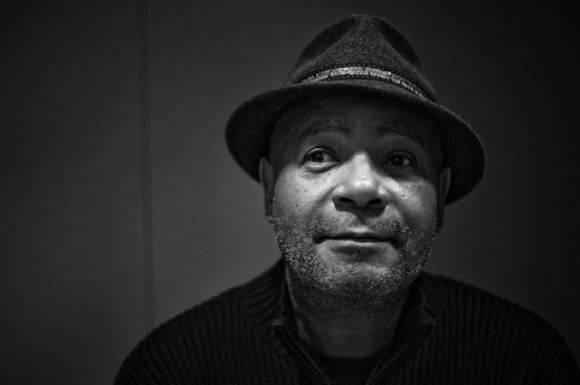
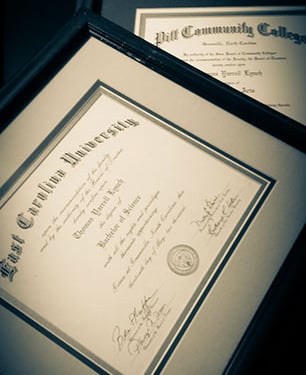
I was General Manager of Expressions Magazine when I attended East Carolina University. I was captivated by the combination of combining what I loved Art, poetry and purpose. We were a minority magazine with The sole mission of giving a voice to ECU’s under marginlized students. Doing research I ran across Emory Douglas the minister of culture for the Black panther party. His title was perfect, not communication but culture, not movement but culture, - his title defined the relevance and the mission of his work.
In the landscape of political movements, effective communication can make or break a cause. Emory Douglas, the Minister of Culture for the Black Panther Party (BPP), understood this all too well. His innovative use of illustration and design not only conveyed the mission of the BPP but also shaped a narrative that often clashed with mainstream American values. Fast forward to today, and we see that Douglas's techniques remain relevant as activists and communicators strive to convey their messages in a world flooded with information. His work serves as a reminder that creativity, clarity, and emotional resonance are paramount in any communication strategy. Here are 3 Communication practices that made an impact not only to the BPP campaign, but to political communications today.
1. Visual Storytelling Through Illustrations
Emory Douglas was a master at visual storytelling. His illustrations were not just a form of art; they were powerful tools to communicate complex ideas quickly and effectively. Whether it was depicting the struggles against police brutality or showcasing community programs, Douglas's artwork brought the narratives of the Black Panther Party to life. These visuals left a lasting impact on the audience, making the party's mission accessible to a broader demographic. Today, we can see similar techniques employed across social media platforms—where a single image can convey a thousand words, and infographics can simplify intricate issues.
2. Emphasizing Community and Empowerment
Douglas’s artwork often focused on themes of empowerment, showing the strength and resilience of the Black community. He illustrated the importance of self-defense, education, and unity, creating a sense of belonging and purpose. This emphasis on community resonates today as many movements strive to empower marginalized voices. The BPP movement focused on self reliance and community engagement it was at its core a model for grassroots campaigns. Modern communicators can take a page from Douglas's playbook by highlighting collective action and shared goals in their messaging.
3. Challenging Mainstream Narratives
In today’s political climate setting the narrative is crucial, when navigating the mainstream a communicator must be willing to fight. Douglas didn't shy away from challenging the status quo. His illustrations often confronted systemic racism and injustice, presenting a stark contrast to the sanitized narratives prevalent in mainstream media. By boldly depicting the realities of life for African Americans, he encouraged critical dialogue and reflection. Today, misinformation can distort truths, it's crucial to challenge dominant narratives and provide alternative perspectives—something that Douglas excelled at.
Conclusion:
Emory Douglas's legacy teaches us that it's essential to freely shape the vision of a cause through innovative communication techniques. In our fast-paced, visually-driven world, the ability to engage audiences with compelling narratives—be it through illustrations, videos, or social media posts—has never been more critical. As we continue to fight for justice and equity, let’s remember the lessons from Douglas’s work and embrace creativity as a tool for change.
As we forge ahead this Black History Month, let’s channel our inner Emory Douglas and use our communication skills to advocate for the causes we believe in—because every movement needs a voice, and every voice deserves to be heard.
You can learn more about Douglas at the Illustration History website.
Thomas Y. Lynch
Emory Douglas
Illustrating a revolution.

“How well we communicate is not determined by how well we say things but how well we are understood.”