
Ernie Barnes Communicates a Culture Through Art | BHM
Honoring Communications through art
AFRICAN AMERICAN COMMUNICATORS
Thomas Y. Lynch
2/14/20252 min read
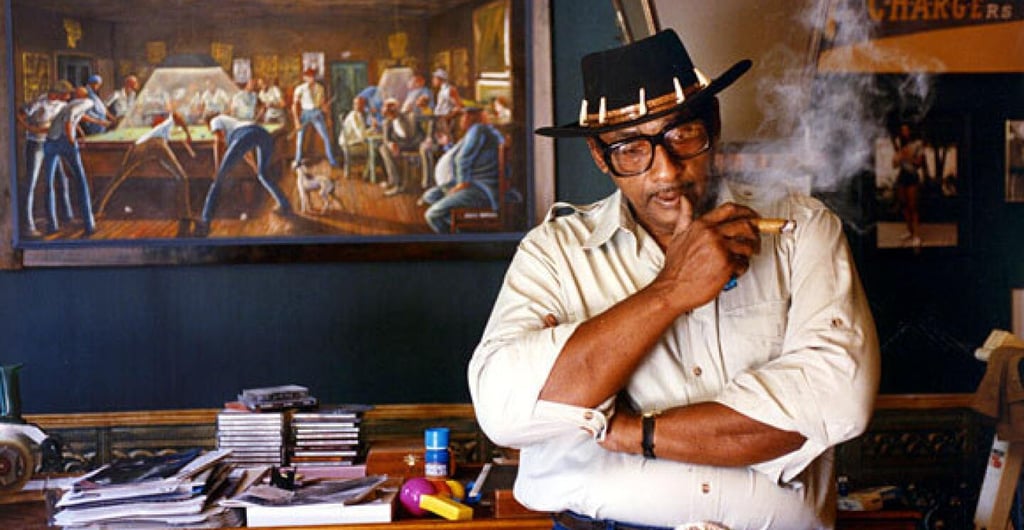
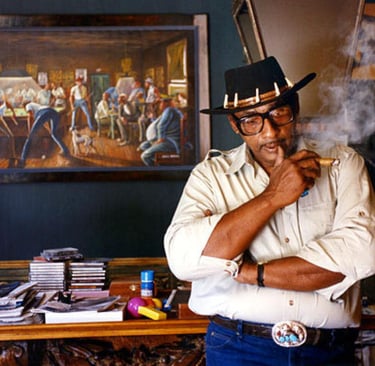
As a child one of my favorite 70’s sitcoms was Good Tmes. Although, looking at back the times were not that “good” - but the art was. The show’s producer Norman Lear commissioned Barnes to create original paintings for the character J.J. Evans. Even if you don’t follow 70’s sitcoms Barnes’ painting the Sugar Shack, is his most popular (and iconic) painting, was featured in the show's end credits for seasons 4 through 6.
When you think of art as a vehicle for communication, few artists embody this concept quite like Ernie Barnes. A former NFL player turned painter, Barnes dedicated his life to capturing the essence of Black culture and experiences. His work is a powerful reminder of the beauty, struggle, and vibrancy of Black life in America. Here are three significant ways Barnes used his art to communicate the realities of his community:
1. Everyday Life in Bold Brushstrokes
Barnes had an extraordinary ability to portray Black people in their everyday environments. His paintings often depicted scenes of community gatherings, family interactions, and intimate moments that resonated with both joy and struggle. For instance, his iconic piece, The Back Room (1974), portrays a lively social setting filled with energy and life, showcasing the warmth of Black culture. This ability to put his subjects in their element not only celebrated their humanity but also created a sense of belonging and identity. It was a reminder that beauty and complexity exist in the mundane, and every day is worthy of artistic expression.
2. Political Plight Through Art
Barnes didn’t shy away from addressing the political and social struggles faced by the Black community. His work often reflected the tensions of the civil rights movement, encapsulating the fight for equality and justice. Through his art, he communicated the essence of Black resilience in the face of adversity. While many of his pieces were created during a time of great social upheaval, they continue to resonate today, serving as a visual commentary on the ongoing issues of race and identity. His painting like Lift Every Voice invited viewers to engage with the political narrative and reflect on the historical and contemporary challenges faced by Black Americans.
3. Cultural Legacy and Recognition
Despite the lack of appreciation during his lifetime, Barnes' art has experienced a renaissance in recent years. The 2019 retrospective at the California African American Museum reignited interest in his work, showcasing the significance of his contributions to American art. His painting, The Back Room, which sold for an impressive $273,000 at Christie's, is a testament to the lasting impact of his vision. Furthermore, his art reached mainstream audiences when it was featured in the end credits of the beloved sitcom Good Times, solidifying his place in popular culture. This recognition not only acknowledges his talent but also reinforces the importance of representing Black narratives in all spaces.
Conclusion
Ernie Barnes’ journey from NFL player to celebrated artist is a testament to the power of art as a means of communication. Through his vivid depictions of Black life, he conveyed the richness of culture, the weight of political struggles, and the beauty of everyday moments. His legacy is a reminder that art can transcend time and space, carrying messages that resonate deeply within the community and beyond. Barnes died 2009 at the age of 70, as we continue to explore and celebrate Black artistry, let’s remember the profound impact of Ernie Barnes and his unique ability to communicate the essence of Black experiences through his captivating work.
Thomas Y. Lynch
Legendary Ernie Barnes
From the city streets to the rural South - Ernie Barnes captured the everyday of African Americans

“How well we communicate is not determined by how well we say things but how well we are understood.”