
Gods of the Sunday Narrative - The NFL
How solid marketing and communications strategies made the NFL
COMMUNICATIONS LIFE
Thomas Y. Lynch
8/27/20254 min read
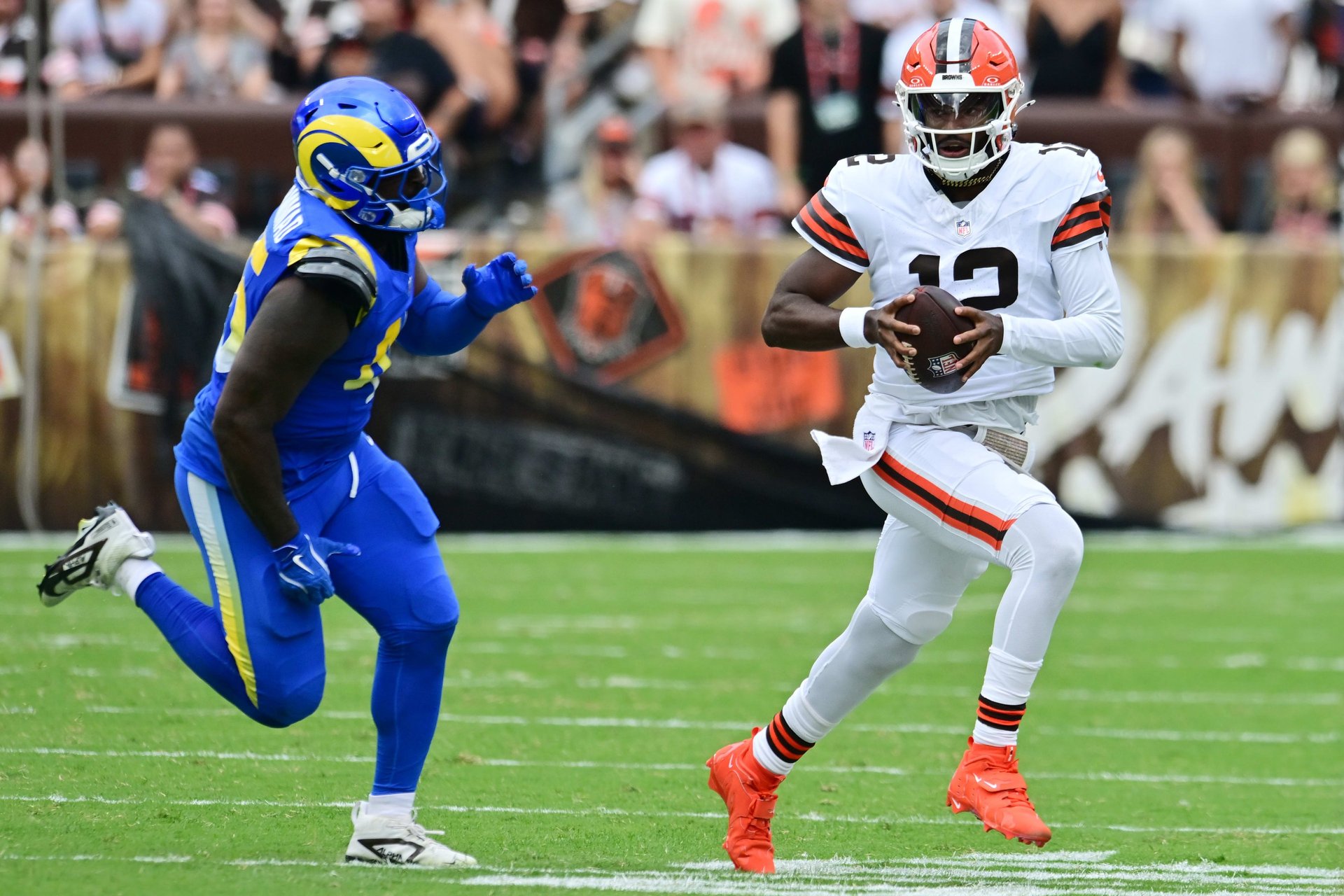
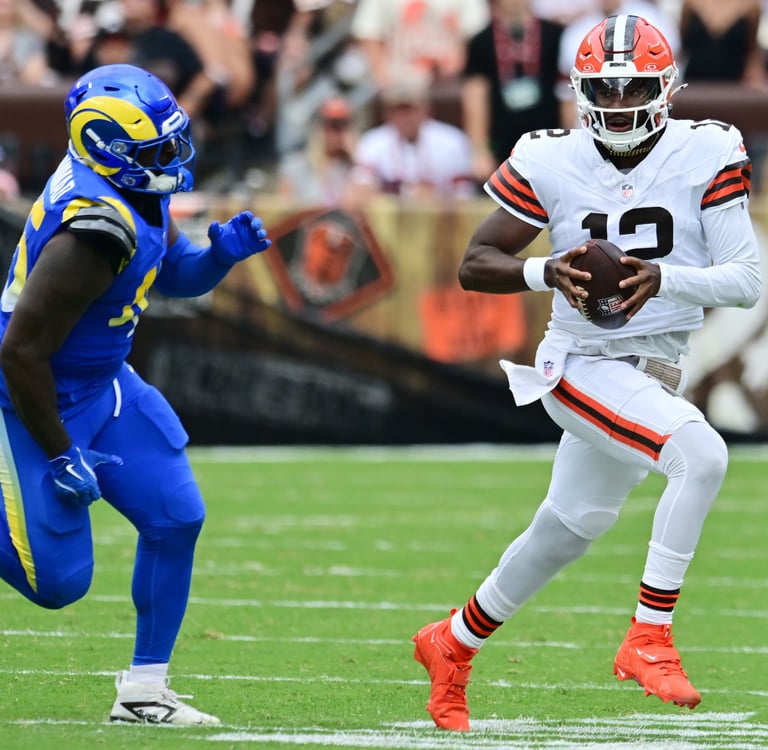
We often banty about the terms effective story telling and narratives. Our past was shaped by books that provided an escape from reality or immersed us into the stark truth of someone else’s life. There are many examples of telling the story and controlling the narrative in today's communications landscape. One industry that has embraced and mastered this trend is sports.
Sports has evolved to master the art of the narrative. The major sports league that is the founding father of the narrative is the National Football League (NFL). The league was founded on a narrative. The NFL began establishing compelling storylines in the late 1960s to cultivate and expand its fanbase, with the iconic Super Bowl III in 1969 serving as a major turning point. The league has since evolved its storytelling approach, leveraging its year-round content calendar, marketing campaigns, and relationships with media partners to create narratives that go beyond the game itself. With the modern day advent of reality TV and social media, the NFL has captured the hearts and minds of the American audience - we are paying attention. The league’s culture expansion and revenue are at an all time high.
So how did they do it? Taking the NFL to its current heights wasn’t easy, in fact there were competing entities who divided the American sports pie. America’s pastime Baseball was a major player in this splintering of the American sports franchise. Also, the NFL was competing on the grid iron with the American Football League (AFL) which had an effect on revenues and attention. As I always remind my readers this is about communications, is this blog we will take a look at 3 factors that the NFL used to develop narratives that catered to their core audience and the rest of society. In these factors I will give real life examples of the types of storylines that demonstrated each factor.
(1) Conquering the Competition: The AFL Merger and Joe Namath's Revolution
The NFL's first masterstroke was eliminating their biggest threat through absorption rather than destruction. When the American Football League emerged in the 1960s as legitimate competition, the NFL could have engaged in a costly war of attrition. Instead, they orchestrated a merger that would create the perfect David versus Goliath narrative for Super Bowl III in 1969.
Example Storyline: Enter Joe Namath, the AFL's golden boy who embodied everything the establishment NFL wasn't. With his fur coats, nightclub lifestyle, and Broadway swagger, Namath represented the classic rebel archetype that Americans have always found irresistible. When he guaranteed victory over the heavily favored Baltimore Colts, he wasn't just making a bold prediction—he was setting up the ultimate conflict between old guard respectability and new school audacity. The Jets' shocking 16-7 victory didn't just validate the AFL; it created the template for how the NFL would use personality-driven storylines to capture mainstream attention. Namath's triumph represented the triumph of charisma over conformity, and suddenly football wasn't just about X's and O's—it was about characters we could root for or against.
(2) Building the Brand Machine: Media Expansion and Tribal Loyalty
The 1980s and 90s saw the NFL perfect the art of consistent storytelling through strategic media partnerships and geographic expansion. The creation of NFL Films transformed game footage into cinematic poetry, complete with stirring narration and orchestral scores that made every tackle feel like an epic battle. Meanwhile, the league's expansion into new markets wasn't just about revenue—it was about creating new tribal identities and regional rivalries that would fuel decades of passionate fandom.
ESPN's rise during this period became the perfect vehicle for the NFL's narrative ambitions. The network needed content to fill 24 hours of programming, and the NFL provided an endless stream of storylines, controversies, and personalities. This symbiotic relationship allowed the league to transform routine events like training camp into must-see television. Suddenly, every team had its own mythology, every rivalry had historical weight, and every season carried the promise of redemption or heartbreak. The adversity faced by expansion teams like the Carolina Panthers or Jacksonville Jaguars became compelling underdog stories, while established franchises like the Cowboys and 49ers developed into dynasties worthy of both admiration and hatred.
(3) The Year-Round Spectacle: Eventization and the Football Calendar
Perhaps the NFL's most brilliant innovation was recognizing that football could be a twelve-month obsession rather than a seasonal diversion. By creating events like the NFL Draft, the Combine, and countless award ceremonies, the league ensured that football never truly left the cultural conversation. Every college prospect became a potential storyline, every workout became a narrative opportunity, and every trade rumor became appointment television.
This eventization strategy extends far beyond the professional level. The NFL has masterfully positioned itself as the apex of a football pyramid that begins with Pop Warner leagues and extends through high school Friday night lights and college Saturday traditions. Each level serves as both a feeder system and a marketing platform, creating emotional connections that span generations. When a small-town quarterback makes it to the NFL, his journey becomes everyone's journey—the embodiment of the American dream wrapped in shoulder pads. The league has turned the entire football ecosystem into a year-round narrative machine, where every snap in every game at every level potentially contributes to the grand story of American football.
Conclusion: The Ultimate Marketing Victory
The NFL's dominance ultimately comes down to masterful marketing disguised as entertainment. By employing sophisticated storytelling techniques—archetypal characters we can identify with, conflicts that mirror our own struggles, and tribal loyalties that give us belonging—the league has created something far more powerful than a sports organization. They've built a shared cultural experience that transcends demographics, geography, and even the game itself.
From Pop Warner to the pros, football has woven itself into the fabric of American life. We've all known someone who played, coached, or lived for Friday night lights. The NFL didn't just capitalize on this connection—they systematically cultivated and monetized it through brilliant communications strategies. In the end, football has indeed become America's new pastime, just without the apple pie and with a lot more commercial breaks.
Thomas Y. Lynch
#commlife for comm professionals


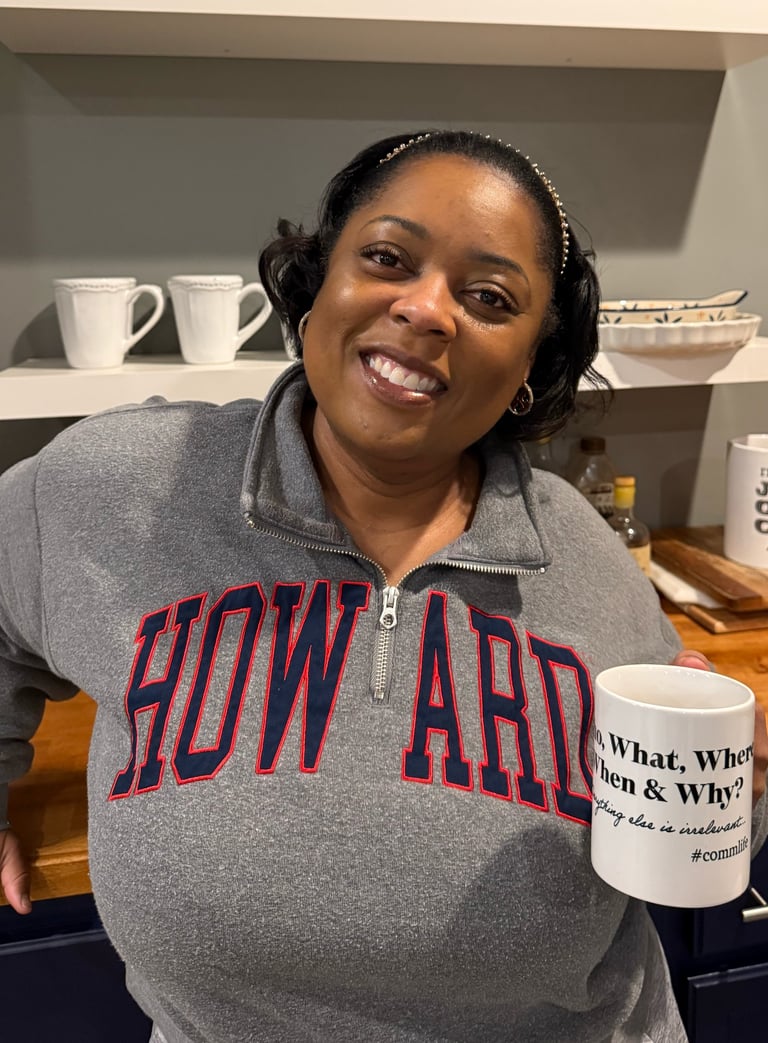


The "5" Dubs | Coffee Mug
Coffee with colleagues just got exciting!
iwrite| T-shirt
Impress the office!
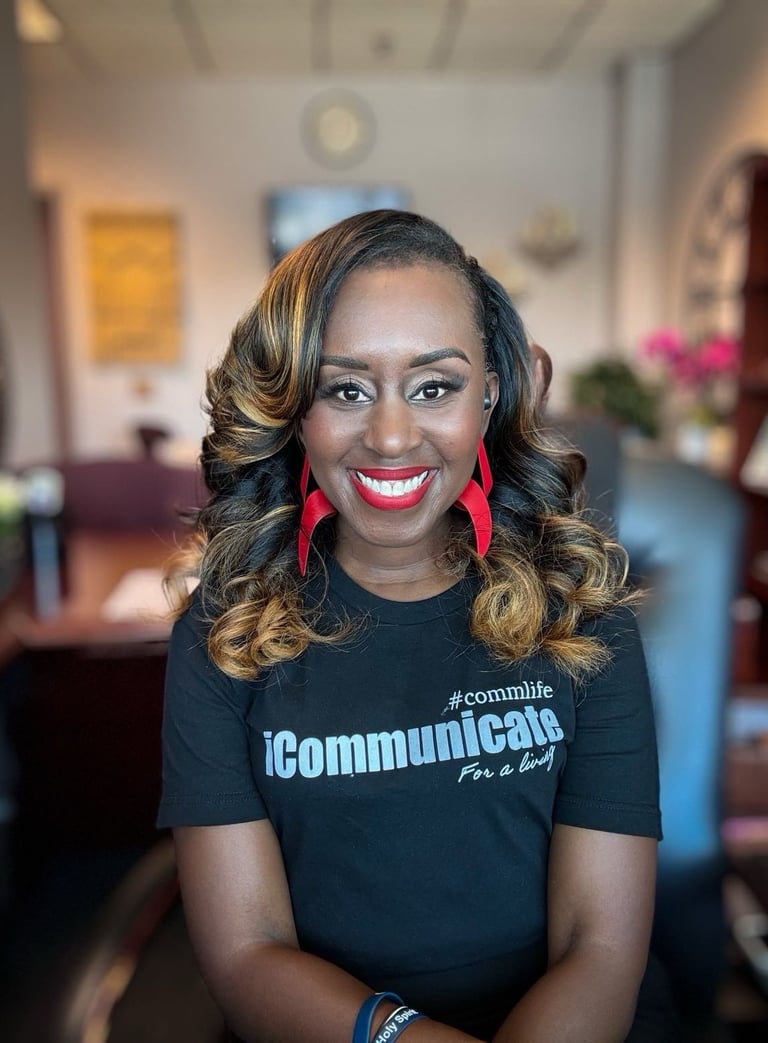




I Communicate | T-Shirt
Invite them to talk!
The "5" Dubs | T-Shirt
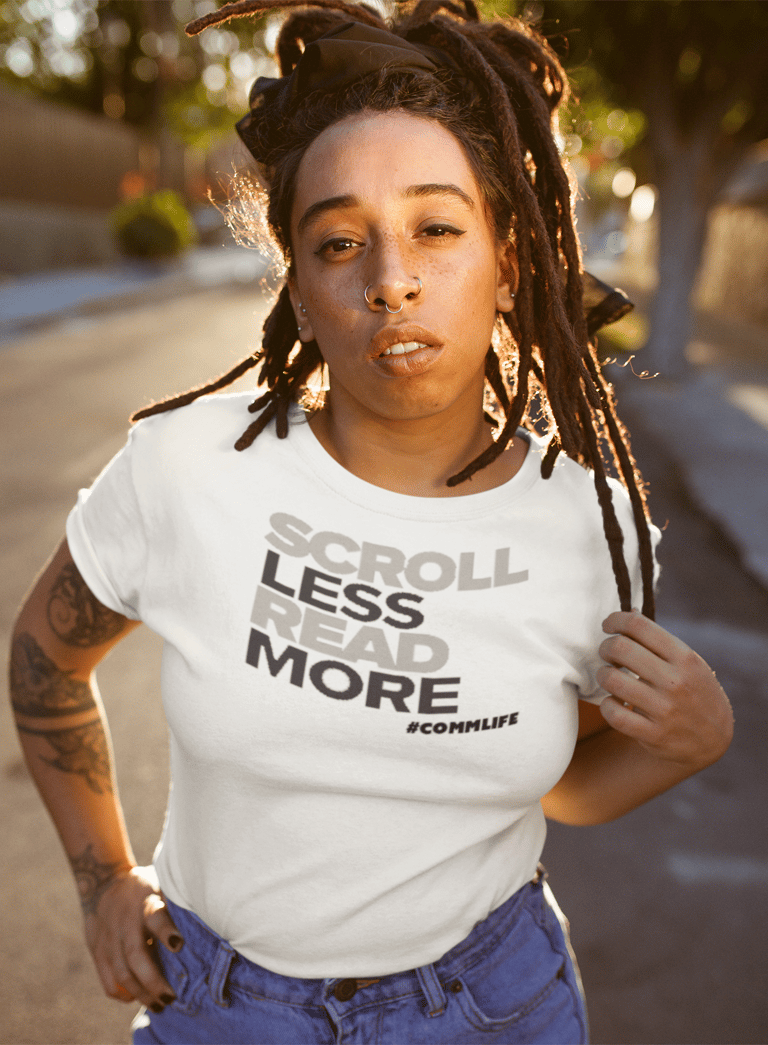
Stop Doom Scrolling!
Scroll Less <Read More
Show them who you are and what you do!
Write Shoot & Edit | T-Shirt
Editors, Authors, Publishers - own your profession!


Comm & Unity | T-Shirt




IB - Rolling | T-Shirt
You can't have Community without Comm & Unity
You can't have Community without Comm & Unity
Comm & Unity | 11oz. Mug
“How well we communicate is not determined by how well we say things but how well we are understood.”