
Good Pitch = Good Press
Top 5 Tips for Pitching Your Story to the News Media
GOVERNMENT COMMUNICATIONS
Thomas Y. Lynch
5/30/20253 min read

When I took on the role of Senior Public Information Specialist for LA County Government, besides learning the thousands of acronyms, one of my biggest challenges was pitching to the media. Is the task difficult? No, but it is nuanced. Throughout my career I’ve worked in smaller markets. My first Communications job for Pitt County Government had a market ranking of #103. My current job in LA County has a market ranking of #2. I jumped 101 markets, and it is a different world. However, the pitching process is still straight-forward no matter what market you are in. Take a deep breath and let dive into my top five tips to help you effectively pitch your story and build those all-important relationships with reporters.
1. Find the Right Reporter
First things first: do your homework! At typical news agencies every reporter has a beat. In smaller markets a reporter may have several subjects they cover such as government and health. In bigger markets the reporters are more granular covering topics like city government and maternal health. It’s important to take the time to identify reporters who cover your specific topic. Whether it’s entertainment or community events, connecting with the right person is crucial. A reporter who’s passionate about your topic is much more likely to be interested in your story. Use social media, news websites, and even your local newspaper to find the perfect match.
2. Make It Easy for Them
In other words - work for them. I recently sent out a press advisory about a big event that we are planning. We are opening the first of its kind Care Campus to serve residents in LA’s Skid Row. A major news outlet contacted me and I made sure to let them know that I can facilitate interviews with elected officials, provide parking for their live trucks and make them coffee if they needed me to. Once you’ve identified the right outlet or reporter, make their life easier by presenting the facts in a clear and compelling way. Outline the key elements of your story and provide fact sheets, web resources, and any additional information they might need. Think of it like a gift — the easier you make it for them to write the story, the more likely they are to cover it. Shout out to KABC!
3. Prepare Your Subject Matter Experts
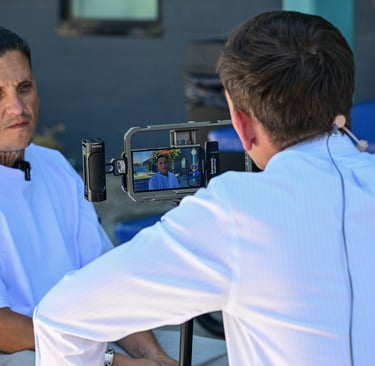
Are your people ready? The story is only as good as the interviews. If you’re going to have interviews, make sure to have your subject matter experts prepped and ready to shine! A quick media training session can go a long way in ensuring they communicate your organization’s message accurately. Help them anticipate questions and rehearse key points. This preparation not only boosts their confidence but also enhances the story’s credibility.
4. Follow Up (But Not Too Much)
After you’ve pitched your story, don’t forget to follow up! A couple of days after your initial outreach, check in with the reporter to see if they need any additional information or if they have a release or publish date in mind. This shows you’re engaged and interested, but be careful not to overwhelm them — you want to be helpful, not annoying!
5. Build Relationships for the Future
Turn the reporter into a friend. Check in on them, pop them an email and follow them on your social media. Build the relationship for the future. Once your story is out there, keep the momentum going! Connect with the reporter for any follow-up stories. This not only helps establish trust but also opens the door for future collaborations. Building a positive relationship with reporters can be invaluable, especially in times of crisis when you need your community's support.
Conclusion
Remember, a well-crafted story pitch is essential for getting community coverage. It’s a fantastic way to secure free advertising for your organization while establishing valuable relationships with the media. So, embrace these tips, and let your organization’s voice be heard.
Thomas Y. Lynch
“How well we communicate is not determined by how well we say things but how well we are understood.”