
Major Event Media Coordination - A Guide for the PIO
6 Essential Tips for Coordinating Press for an Event
GOVERNMENT COMMUNICATIONS
Thomas Y. Lynch
6/20/20253 min read
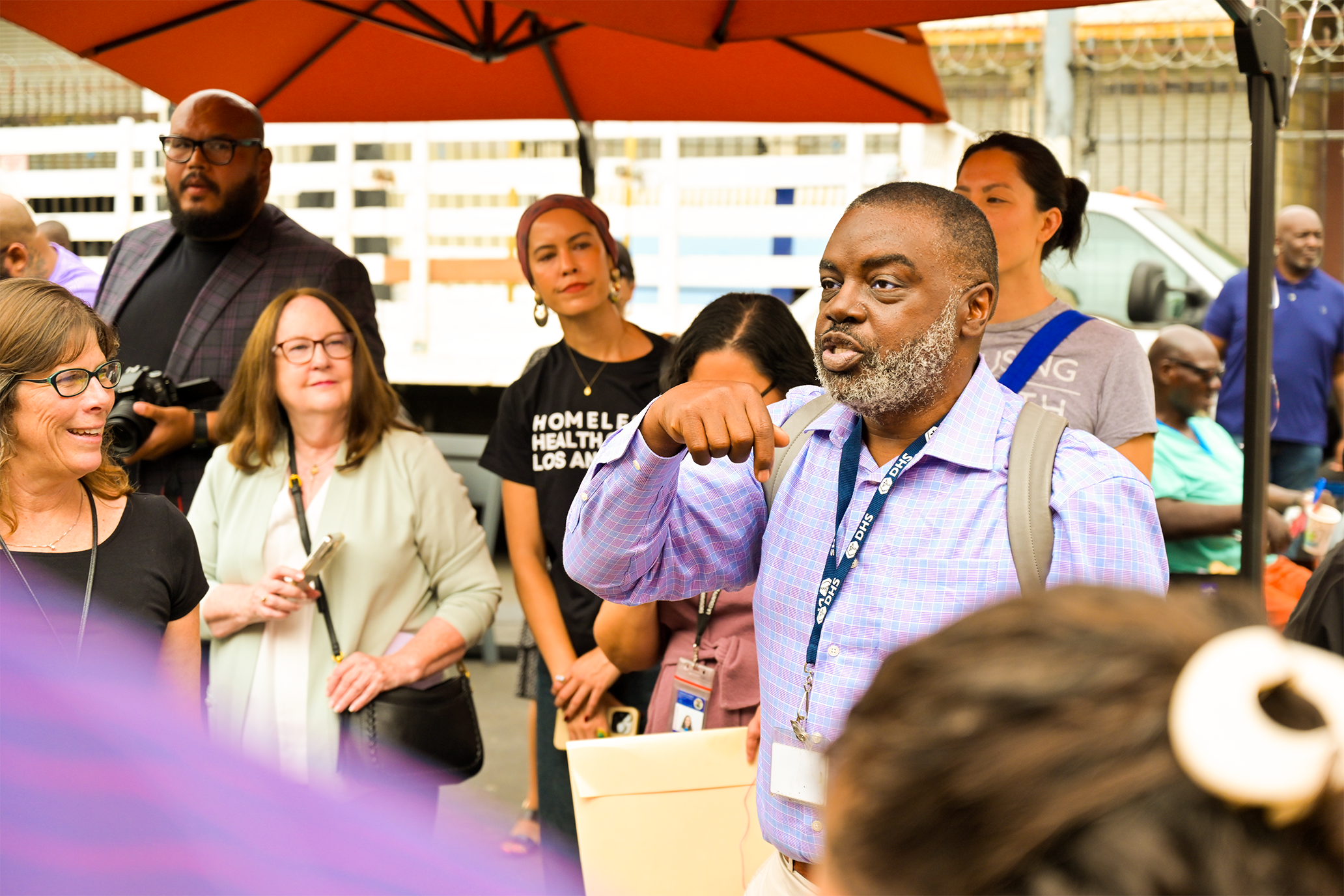
Organizational events sigh. It is a skill that I have yet to master. The planning, coordination and execution requires much, and I am not suited event planning. With the being said, coordinating media presence is a strength that I often have to deploy.
What good an event without the proper promotion? That is where the media enters! At some point in your career as a communicator all PIOs have to coordinate media outlets to cover your organization’s event. The task is both an art and a science. As a PIO your role is pivotal in ensuring the event not only runs smoothly but also receives the coverage it deserves. Here are six essential tips to help you coordinate a memorable and impactful media event.
1. Create the Event’s Narrative
Purpose:
The story you tell about your event shapes how the public and the media perceive it.
How to Do It:
Start by crafting a compelling narrative. How will the event help the community? Who will attend the event? How does the event make life better or easier? All are questions you must ask to ensure your narrative is attractive, and well attended. Use promotional tools such as flyers, web stories, pre-event interviews, and social media kits. Consistent messaging across all platforms ensures your event’s purpose and highlights are clear, engaging, and newsworthy. This foundation will make your event irresistible to both attendees and media outlets.
2. Contact the Media Early
Purpose:
Building relationships and giving the media ample notice increases your chances of coverage.
How to Do It:
Reach out to your favorite reporters and media contacts well before the event. Share embargoed media advisories and press releases, so they have all the information they need to plan their coverage. Early outreach helps you secure prime spots on their calendars and allows for more in-depth stories.
3. Organize Internally - Get Help!
Purpose:
A well-coordinated team ensures nothing falls through the cracks.
How to Do It:
Meet with internal stakeholders to identify the communication aspects that require attention. Assign team leads for key responsibilities such as setting up the promotional materials table, establishing a media area and camera line, create a parking logistics plan. Hold several meetings leading up to the event to monitor progress and adjust plans as necessary.
4. Confirm Media Attendance and Pre-Arrange Interviews
Purpose:
Eliminates last-minute surprises and maximizes media engagement.
How to Do It:
As a former reporter having everything situated before the day of the event is optimal. Most reporters are very busy, and appreciate efficiency in their day.
A couple of days before the event, send out a final media advisory. Personally contact each media outlet you want in attendance, get confirmation, and provide your contact number and parking instructions. If possible, set up interviews in advance so that during the event, the media can easily connect with key spokespeople.
5. Be Visible and Accessible on Event Day
Purpose:
Guiding the media ensures your event’s key messages are communicated effectively.
How to Do It:
On the day of the event, make yourself easy to find. Be bold and establish yourself as a host would. Greet media representatives, walk them through the event, and highlight the features you want promoted. Your presence and guidance will help them capture the best angles and stories, making their job—and yours—much easier.
6. Follow Up and Monitor Coverage
Purpose:
Promotes the event’s success and builds momentum for future initiatives. Also allows you to debrief with your team, to analyze what went well - and what didn’t.
How to Do It:
After the event, share highlights with the public and stakeholders. Monitor media coverage, archive articles and broadcasts, and spotlight the most important or ongoing features of your event. This not only showcases your event’s impact but also strengthens relationships with media partners for the future.
Final Thoughts
Coordinating a successful media event takes careful planning, clear communication, and proactive follow-through. By following these six tips, you’ll ensure your event stands out, receives the coverage it deserves, and leaves a lasting impression on your audience.
Thomas Y. Lynch
“How well we communicate is not determined by how well we say things but how well we are understood.”