
MLK - Delivered a Movement with his Voice
5 common techniques to deliver effective speeches
AFRICAN AMERICAN COMMUNICATORS
Thomas Y. Lynch
1/20/20253 min read
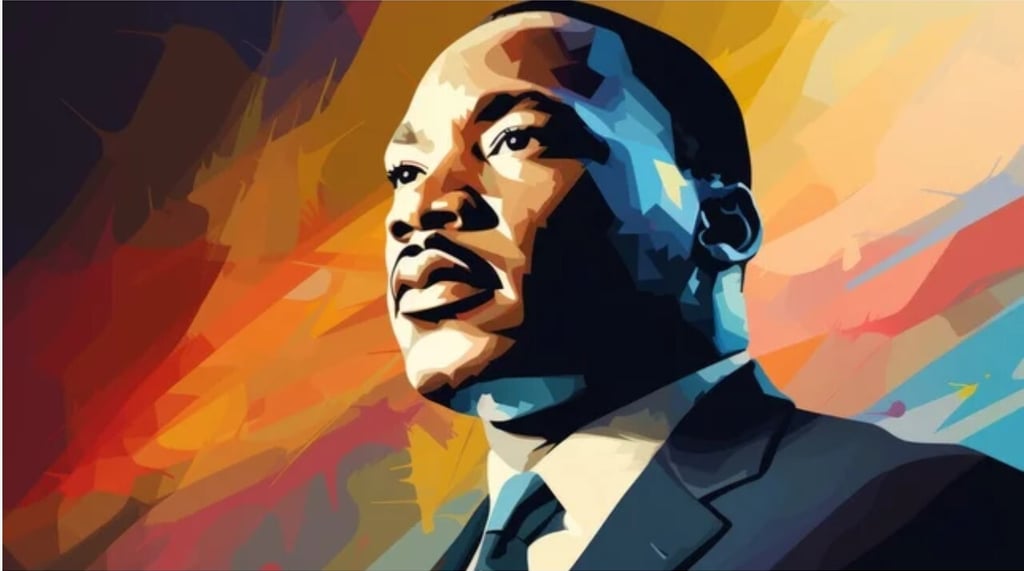
One of the greatest orators of the 20th century, Martin Luther Kjng embodied the all the classic characterizations of solid effective communication. Oh? You thought this post would be about his civic engagement and his contributions to our country? Well it is - with an emphasis on how he implemented solid communication principles. After all this is a blog for communicators.
Oratory communication is something we all do everyday. However, in order to influence people, engage a government and place momentum behind an unpopular movement - you have to do it right. There are 5 primary attributes that all great speakers utilize to fortify their messages.
Public speaking is an art form, one that can shape history and inspire change. When we think about the great orators throughout time, one name often shines brighter than the rest: Martin Luther King Jr. As we celebrate Martin Luther King Day, it’s worth taking a moment to reflect on the elements that made his speeches so impactful. Let’s explore why voice, cadence, emotion, shared experience, and audience specification are crucial in public speaking—elements that Dr. King wielded with masterful precision.
1. Voice: The Instrument of Change
Dr. King’s voice was not just a means of communication; it was a powerful instrument of change. His voice is still distinctly recognized today. He had a commanding presence, with a tone that resonated with both strength and compassion. His ability to project his voice allowed him to reach thousands, whether he was speaking on a crowded street corner or in a vast auditorium. The way he modulated his voice, infusing it with passion and urgency, made his message impossible to ignore. A strong, confident voice can cut through the noise, drawing people closer to the message being shared.
2. Cadence: The Rhythm of Rhetoric
Cadence—the musicality of speech—played a significant role in Dr. King’s delivery. He had a unique rhythm, skillfully varying his pace to emphasize key points and evoke emotions. He utilized the pause to let the message breath. When he spoke, it felt like a symphony in motion. His famous “I Have a Dream” speech is a perfect example of this. He built anticipation with slow, deliberate phrases that crescendoed into powerful proclamations. This rhythmic approach not only engaged his audience but also left a lasting impression, making his words relevant long after he had finished speaking.
3. Emotion: The Heart of the Matter
Emotion is what connects us as humans, and Dr. King masterfully tapped into this. He spoke from the heart about the struggles and aspirations of African Americans, bringing tears and joy to the faces of those who listened. His speeches were packed with heartfelt emotion, whether he was invoking the pain of oppression or the joy of hope and unity. By sharing his own emotional journey, he created a powerful bond with his audience, making them feel seen and understood. Effective public speaking should always evoke emotion; it’s what transforms words into a shared experience.
4. Shared Experience: The Common Thread
Dr. King’s ability to articulate a shared experience was another vital element of his oratory. He didn’t just speak to the African American community; he spoke to everyone who yearned for justice and equality. I think we forget that the Civil Rights Movment had a diverse coalition, composed of African Americans, whites, indigenous and Latino people. His messages echoed the struggles of countless individuals, creating a sense of solidarity and shared purpose. By weaving together the narratives of different people, he united his audience under a common banner of hope and resilience. In public speaking, recognizing and articulating shared experiences can galvanize a group and inspire collective action.
5. Audience Specification: Knowing Your Crowd
Lastly, Dr. King understood his audience like few others. Whether addressing a diverse crowd at the March on Washington or speaking to a congregation at a local church, he tailored his message to resonate with those listening. MLK was the master of low context communication, and tailored his messages to have maximum impact. He considered their hopes, fears, and experiences, ensuring that his words spoke directly to their hearts. Knowing your audience is crucial in public speaking; it allows you to craft a message that feels personal and relevant, making it more likely to inspire action.
Conclusion:
As we reflect on the legacy of Martin Luther King Jr. on this special day, let’s remember that every movement in history has been propelled by effective communication. Dr. King’s mastery of voice, cadence, emotion, shared experience, and audience specification not only inspired a generation but also paved the way for a brighter future for all Americans. His speeches remind us of the profound impact that words can have—words that not only convey ideas but also ignite passions and unite communities. So, as we honor Dr. King today, let’s strive to harness the power of communication in our own lives, speaking out for justice, equity and a better tomorrow for all.
Thomas Y. Lynch
MLK on Economics
We get caught up in the legacy we almost forget why the United States killed this man. The "I have a dream" speech is the speech American history wants you to remember. The speech attached is my favorite speech, it exemplifies why MLK was hated. He was making America stand up to its promise - freedom for all.

“How well we communicate is not determined by how well we say things but how well we are understood.”