
Obviously, it's not about the messenger - its about the messaging
How messaging can lose an election
GOVERNMENT COMMUNICATIONS
Thomas Y. Lynch
12/6/20243 min read
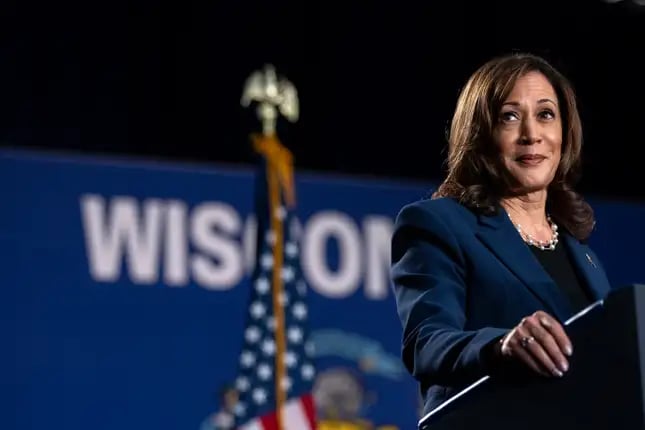
Was it the candidates or how they communicated? There was a clear contrast between the 2024 Presidential candidates, depending on who you asked - the characterizations could be vastly different. After weeks of assessing the 2024 presidential election it’s easy to look at the Harris campaign with 20/20 vision. Jen O'Malley Dillion (former Biden, and current Harris Campaign Manager) as far as I'm concerned is a genius, and I think she ran an efficient campaign. In hindsight (which is always easy to assess) there were major opportunities to maximize Harris' messaging. With that being said let’s Keep it in perspective. The Harris campaign only had 109 days to make their case as opposed to the Republican candidate who had been campaigning since 2016. As a communicator, for me, it’s all about messaging. The Kamala Harris campaign faced significant challenges that ultimately hampered its effectiveness in the election. Here are three critical factors that contributed to its messaging failures:
1. Not Reaching People Where They Are
One of the most glaring missteps of the Harris campaign was its failure to engage with undecided voters on the platforms they frequent. In an era dominated by social media and digital communication, the campaign did not fully leverage channels like TikTok, Instagram, or even popular podcasts where younger and undecided constituents get their news. Instead, they relied heavily on traditional media outlets that often miss the mark with key demographic groups. To win over the hearts and minds of voters, the campaign needed to meet them in spaces where they felt comfortable and engaged, creating a genuine dialogue rather than a one-sided message. Tell the story, connect, and reenforce your values.
2. Deemphasizing Accomplishments of the Biden-Harris Administration
Another significant oversight was the lack of emphasis on the tangible accomplishments achieved during the Biden-Harris administration. There was a delicate balance with how much Harris should connect her candidacy with the Biden administration. The infrastructure bill and the CHIPS Act are monumental achievements that directly benefit American families and workers. By failing to communicate these successes effectively, the campaign missed an opportunity to showcase how their policies have positively impacted lives. I get it, focusing on economic success while American felt prices were still too high was sticky. But highlighting these accomplishments could have served as a powerful rebuttal to Republican narratives, reinforcing the notion that the Democratic Party is not just about promises but about delivering real results.
3. Did Not Communicate the Values of the Democratic Party to the Working Class
The Harris campaign struggled to articulate the core values of the Democratic Party in a way that resonated with working-class voters. Many individuals feel disconnected from elite political discourse, which often overlooks their everyday struggles. The Biden-Harris administration was the most "pro worker" administration by far (compared to the previous), so what happened? In short, no one believed them because of their inability to communicate. By not communicating well on issues like fair wages, workers’ rights, and accessible healthcare in relatable terms, the campaign alienated a crucial voter base. It is essential for Democrats to communicate that they stand in solidarity with working-class Americans, advocating for policies that uplift them rather than leaving them behind.
Let’s be clear: in this election, Republicans didn’t have to run an efficient campaign. Their platform was weak, full of divisiveness, lies, and hatred. It should have been easy to defeat them. They shaped their information into content, and served their audience with grievance and despair. The Harris campaign only had a limited opportunity to present a compelling vision for the future, and the failure to connect, communicate, and relate ultimately cost them the election.
America has replaced patriotism with cronyism, the election was emotional and full of grievance. However, the anti establishment sentiment was global and most democratic nations of the world experienced changes of the perceived “status quo." Democrats in the future have to reestablish their role in the lives of ordinary people, messaging with a clear concise platform to voters who are simply asking - what’s in it for me.
Thomas Y. Lynch
How to win a campaign!
Jay Townsend talks about the basics of campaign messaging.

“How well we communicate is not determined by how well we say things but how well we are understood.”