
So Many Podcasts - So Little Engagement
5 Tips for Creating an Engaging Podcast for Your Organization
GOVERNMENT COMMUNICATIONS
Thomas Y. Lynch
3/7/20254 min read

I started listening to podcasts in the late 2000's and thought to myself "this will never last". Having background as a producer I couldn't get past the idea that the podcast was just a show with little to no distribution. Most podcast back then were just audio, and I thought the only place of decent distribution was on radio. At the same time, the talk radio show was becoming popular (see where this is heading?). Talk radio birthed the podcast. Now podcasts saturate the online universe, and everybody has one. However, creating a podcast that stands out (especially for Government agencies) requires some thought and strategy. Here are five tips to help you create a compelling and effective podcast that serves your audience and highlights the amazing work your agency does.
1. Content is King: Help Your Audience Navigate Your Organization
The first step in creating a successful podcast is to focus on content that resonates with your audience. Think of your podcast as a guide to help them navigate your organization. What questions do community members frequently ask? When I worked for the City of Palmdale citizens concerns ranged from corruption within the City Government to What going on with Parks and Recreation. What City action they find confusing? Use these questions as a springboard for your episodes.
Prepare and write thoughtful questions that dive deep into the workings of your agency. Consider discussing topics that demystify your processes, explain policies, or highlight upcoming initiatives. Practice your delivery to ensure a smooth conversation. Remember, clear and concise information is vital, but it’s equally important to keep it engaging. Think of your podcast as a friendly chat that empowers your audience with knowledge.
2. Bring in the Stars: Interview Key Staff Members
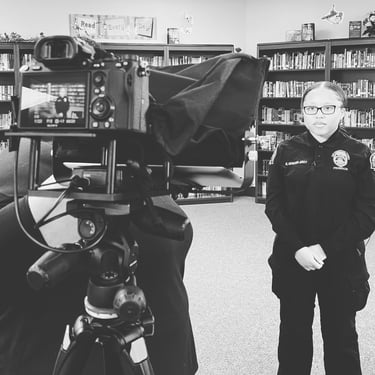
One of the best ways to add depth and authenticity to your podcast is by featuring interviews with prominent figures in your organization. Focus on key staff members who are on the ground doing the work. These individuals often have the best stories and insights to share, making them perfect guests for your show. Keep in mind guests don't always have to be the CEO or Directors, but people on the ground doing the work.
Before the interview, conduct pre-interviews to select articulate speakers who can convey their experiences and stories effectively. This not only helps ensure you have engaging content but also makes your guests feel comfortable and ready to share their insights. Remember, these conversations are not just about the job; they’re also about the people behind the job.
3. Gear Up: Invest in Quality Podcasting Equipment
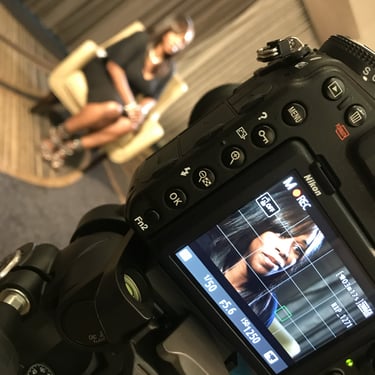
In 2025, having the right technology is essential for producing a professional podcast. If you have the PIO basic equipment you would be half way there when it comes to setting up your gear. Start by investing in quality podcasting equipment that is simple yet effective. You don’t need to break the bank, but ensure you choose microphones and cameras that meet industry standards.
A good podcast setup typically includes a decent USB microphone, headphones, and, if you’re incorporating video, a reliable camera. Make sure to test your equipment before going live to avoid any technical glitches during recording. High-quality audio and visuals can make a significant difference in how your audience perceives your podcast.
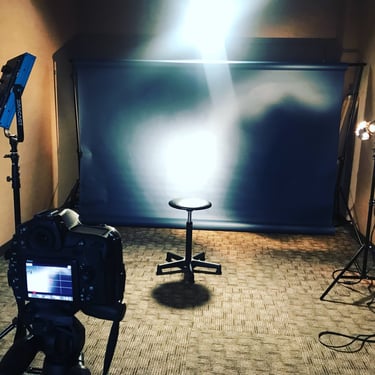
4. Set the Scene: Create a Customized Podcast Set
Your podcast’s set can tell a story about your organization and enhance the overall listening experience. Customize your set to reflect your agency’s mission and values. Use props, signage, and visuals that connect with your audience and give them a sense of familiarity.
Layering lights can also add depth to your visuals, making your set feel warm and inviting. Consider adding elements that represent your community or the work you do—this will create a more relatable and engaging atmosphere for your viewers. Remember, the goal is to make your audience feel connected to your organization from the moment they tune in.
5. Have Fun: Keep It Light and Conversational
While it’s essential to provide clear and concise information, don’t forget to have fun! A podcast should be enjoyable for both you and your audience. Engage your listeners through conversational dialogue that feels relaxed and approachable.
Injecting some light-hearted moments can go a long way in making complex topics more relatable. Encourage your guests to share personal anecdotes or humorous stories that can break the ice and connect with listeners on a personal level. Remember, a friendly tone makes the information more digestible and memorable.
Bonus Tip: Maximize Your Reach with Social Clips
Once you’ve recorded your episodes, don’t let the content sit idle. Chop your interviews into shorter, digestible social clips that can be shared across various platforms. These clips can highlight key moments, quotes, or fun exchanges, making it easier for your audience to engage with your content. This strategy not only helps to widen your reach but also attracts a larger audience to your full episodes.
Conclusion
There are tons of podcasts out there, but few truly stand out. By keeping your content simple, personable, and engaging, you can create a podcast that resonates with your audience. Focus on delivering valuable insights while maintaining a light-hearted atmosphere that invites conversation. With these tips in mind, you’re well on your way to crafting an effective podcast that showcases the incredible work of your organization. Happy podcasting!
Thomas Y. Lynch






“How well we communicate is not determined by how well we say things but how well we are understood.”