
The Joys of "Ghost" Writing for Government Officials (kinda spooky)
5 communication barriers when writing for officials
GOVERNMENT COMMUNICATIONS
Thomas Y. Lynch
4/12/20243 min read
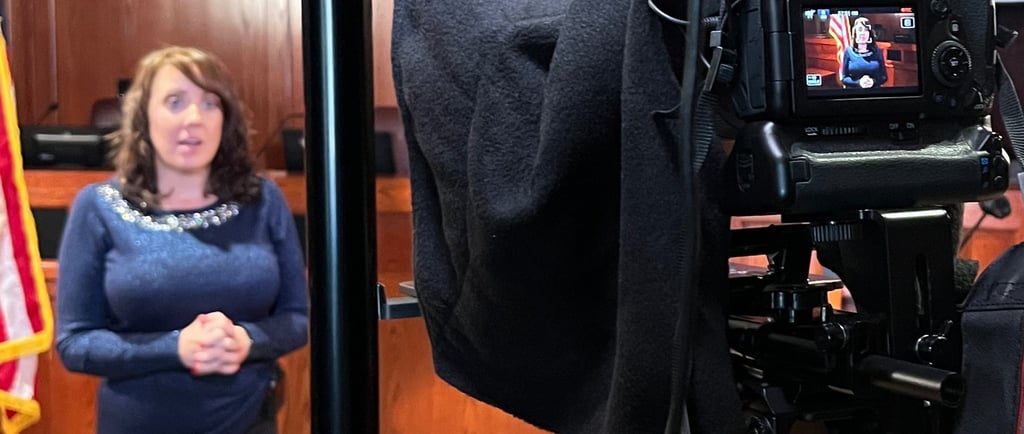
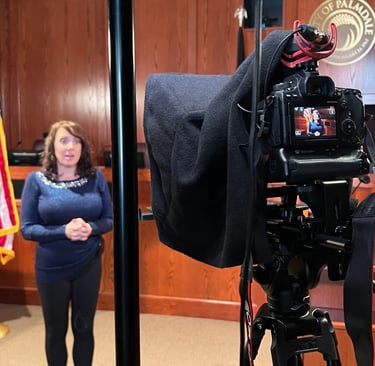
As a PIO writing speeches is a second nature skill that I enjoy doing. Over the years I have learned that the writing part is the easiest. The real work comes with research and tailoring the message to the audience, in the voice of your government official. Because all officials are different, they have different educational backgrounds and personalities. It is important for your audience to feel that the speech is authentic. After the speech is written it is vital to make sure the official is effectively disseminating the message to the public. However, government officials often face unique challenges when trying to communicate with their constituents.
Here are five detailed communication barriers that government officials commonly encounter:
1. Trust:
One of the biggest hurdles government officials face is building trust with the public. Many people are skeptical of government messaging and may be hesitant to believe what they are being told. This lack of trust can make it difficult for officials to effectively communicate important information. This is why we should always disseminate our messaging with one voice. Our messaging should be centralized, this allows for credibility which fosters trust.
2. Complex Language:
Government officials often use complex language and jargon that can be difficult for the average person to understand. This can lead to confusion and misunderstandings, making it harder for officials to communicate their message. When writing it is ok to mention acronyms or jargon as long as it adds to the message and the phrases are clearly explained. This is useful for long-term projects that will be in public discussion for an extended amount of time.
3. Limited Access to Information:
Public officials may be restricted in what information they can share with the public, leading to gaps in communication. This lack of transparency can breed mistrust and make it harder for officials to convey their message effectively. This is true, especially during crisis communication. At any time we may not have the information the public or the media wants. We must acknowledge this and follow up when the information is available.
4. Political Interference:
Politics, politics, politics! Yes, it's your job so get over it! I always say "know the political landscape, but avoid the potholes". As a writer you can navigate the politics, just stick to the core message, and address citizen's concerns. Government officials may face pressure from higher-ups to spin messaging in a certain way or withhold information for political reasons. This can hinder their ability to communicate openly and honestly with the public. When this happens address the potential "pothole" to the speaker, it is ultimately up to them to edit accordingly.
5. Media Scrutiny:
My background includes working as a news producer and photojournalist, and I admit the news cycle can be difficult to navigate. Media scrutiny exists, however, most journalists just want a good story that informs the community. Officials are constantly under the watchful eye of the media, which can make it challenging for them to control their messaging. Negative media coverage can distort the message officials are trying to convey and make it harder for them to get their message across. By understanding these barriers when crafting a speech you can break through these obstacles.
Stay transparent, use clear concise language, and stay true to their personality and voice. This allows officials to overcome these communication challenges and better connect with their residents.
For more information on government communication, check out the following online sources:
GovLoop: https://www.govloop.com/
National Association of Government Communicators: https://nagc.com/
Thomas Y. Lynch






“How well we communicate is not determined by how well we say things but how well we are understood.”