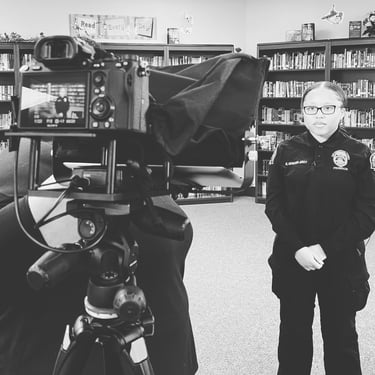

Why PIOs Should Exercise Media Control at Disaster Relief Centers
Best practices to help control the media in a disaster relief center
GOVERNMENT COMMUNICATIONS
Thomas Y. Lynch
1/25/20253 min read
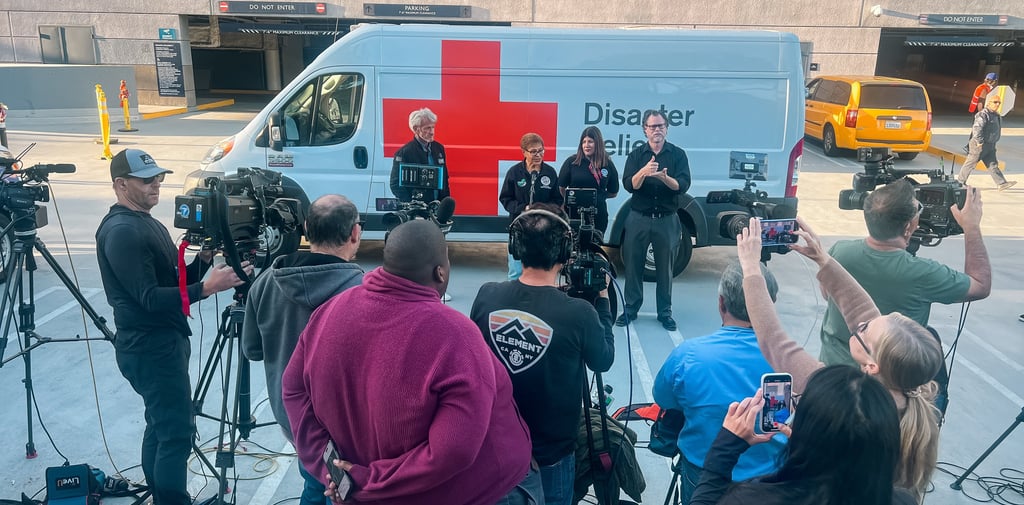
Working as a PIO during an emergency can feel chaotic. With my recent deployment to the County Joint Information Center (CJIC) for LA County, I learned how important it is to rely on your training and experience. During my role as PIO for Pitt County Government, I am no stranger to JICs or Emergency Operation Centers. I have been the point of contact for the media, for chemical spills, hurricanes and train derailments. The LA fires were devastating and the incident impacted tens of thousands of people.
When disaster strikes, the spotlight often falls on relief efforts, and media outlets are eager to cover the unfolding story. As a Public Information Officer (PIO), your role is crucial in managing that attention and ensuring that your organization’s message is clear, accurate, and beneficial to those you serve. Here are five best practices to help you control the media in a disaster relief center, creating a smoother environment for everyone involved.
1. Connect with Media Outlets Before Deployment
One of the best things you can do is establish relationships with local media outlets before a crisis occurs. Los Angeles is the 2nd largest media market in the country, and reaching all media contacts is difficult.
But this proactive approach helps build trust and understanding, allowing you to communicate more effectively once you’re in the thick of it. Reach out to reporters, editors, and producers and provide them with your contact information, your role in your organization, and what they can expect from you during a disaster. A warm connection can pave the way for better coverage when the time comes.
2. Prepare a Safe Space Within the Facility
In a disaster relief center, emotions run high, and the environment can be chaotic. Designate a specific area as the media zone that’s separate from where residents receive assistance. This not only protects the privacy of those you’re helping but also creates a controlled environment for the media to work in. Make sure this space is equipped with the necessary resources – Wi-Fi, charging stations, and information packs – to help journalists do their job efficiently while minimizing disruption.
3. Be the Point Man
Consistency is key when dealing with media inquiries. As the PIO, you should be the go-to person for all media interactions. This ensures that information is accurate and reduces the risk of mixed messages. By channeling all media requests through you, you can manage the narrative more effectively and ensure that your organization speaks with one voice. Remember, a clear line of communication can prevent confusion and misinformation from spreading.
4. Help the Media with Their Story
As a former photo-journalist I try to think about how I would cover the disaster. Think of the media as your partners in spreading the word about the great work your organization is doing. By providing them with the information they need – whether it’s statistics, personal stories, or access to key personnel – you’re not just helping them create their story; you’re also shaping the narrative in a way that reflects positively on your organization. When the media has what they need, they’re more likely to produce a story that aligns with your mission and enhances your credibility.
5. Set Rules – Establish Media Guidance
From the get-go, it’s important to set clear guidelines for media access and behavior in your facility. Create a media guidance document that outlines the “house rules” for reporters and photographers. This should include information about where they can go, what they can film, and how they should interact with residents. By establishing these rules upfront, you can reduce potential conflicts and distractions, allowing both the media and the relief workers to focus on what matters most: helping those in need.
Conclusion
In times of crisis, a controlled environment leads to smoother interactions with residents who are already under high stress. By implementing these best practices, you can create a more manageable and efficient media landscape, benefiting not just your organization but the individuals you are there to support. If you'd like to see a sample of the media guidance document I prepared for our last deployment, you can click here. Let’s make sure that when disaster strikes, we’re ready to communicate effectively and compassionately!
Thomas Y. Lynch
“How well we communicate is not determined by how well we say things but how well we are understood.”