
You Are Who Your Algorithm Says You Are: The Invisible Hand Shaping Our Lives
How algorithms effect our communications
SOCIAL MEDIA
Thomas Y. Lynch
2/10/20253 min read
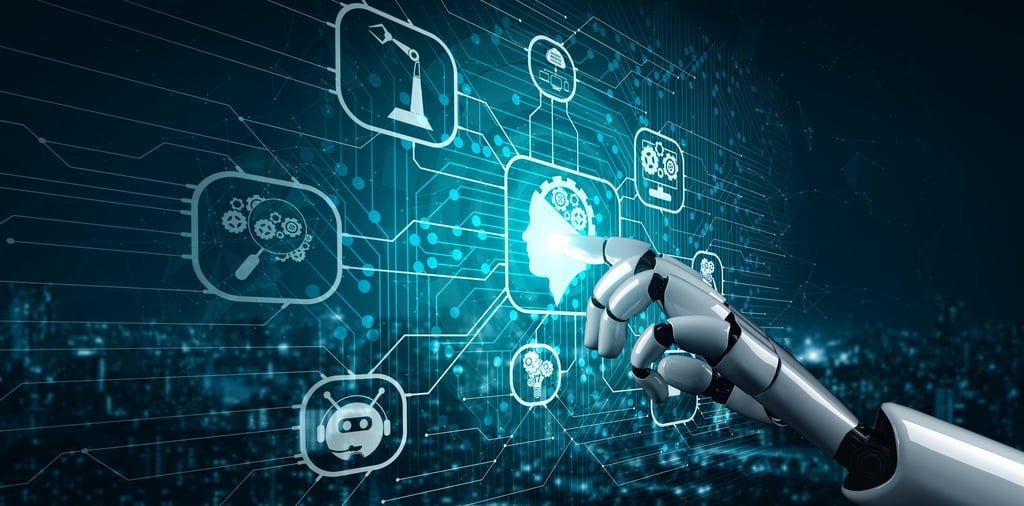
Commotion is a communications blog, created for communication professionals. I know you may be asking how are algorithms related to communications? The answer is simple, our main dissemination vehicle of every aspect of our job is dependent on computers - more specifically the internet. The government entity you work for has a digital footprint - and yes it has an algorithm. So it’s important that we know what it is and how it works.
What an algorithm?
In our increasingly digital world, algorithms play a central role in shaping our online experiences. But what exactly is an algorithm? Simply put, an algorithm is a set of rules or calculations that a computer follows to process data and make decisions. From social media feeds to search engine results, algorithms are designed to deliver content tailored to our preferences. While this may sound convenient, it also poses significant risks to how we perceive the world. Here are three ways algorithms define who you are—and why that can be dangerous.
1. Algorithms Are Powered by You
So you are maintaining your company’s social media, and you are interacting with your audience. You see a cute picture of a puppy, so you do what’s natural - you like it. And now you see a flood of puppy pics on your timeline. Yes, you are interacting with the community but you are also teaching your algorithm .
Every click, like, and search contributes to the data that fuels your algorithm. This creates a feedback loop that reinforces what you like and already believe. If you only engage with content that aligns with your views, the algorithm will continue to serve you more of the same, leaving little room for diverse perspectives. This can lead to echo chambers where your beliefs are never challenged, potentially stunting your intellectual growth and understanding of the world around you. The danger here is that you may become unaware of alternative viewpoints, which is essential for fostering empathy and constructive dialogue in a pluralistic society.
2. Computers Are Only Crunching Information
It's important to remember that algorithms merely recycle the information you feed them. Your choices—just like in real life—are ultimately yours to make. If you interact positively with uplifting content, your algorithm will continue to feed you positivity. Conversely, if you engage with negativity or divisive content, that’s what you’ll see more of. The danger lies in surrounding ourselves with like-minded individuals, which can create an insular environment. This not only limits your exposure to differing opinions but can also distort your understanding of reality, making it harder to engage with or empathize with others.
3. Your Algorithm Predicts Your Behavior
One of the more unsettling aspects of algorithms is their ability to predict your behavior, particularly when it comes to purchasing decisions. Companies use this predictive capability to push content that benefits their bottom line. For example, if you search for “what’s for dinner” and watch a cooking video, the algorithm quickly takes note and starts feeding you similar content—perhaps even targeted ads for kitchen gadgets or meal prep services. This raises privacy concerns: your online habits are being tracked, and your purchasing choices are subtly influenced by an algorithm that doesn’t consider your broader interests or values. Instead, it simply aims to maximize clicks and sales.
Conclusion: A Personal Yet Potentially Misleading Profile
In essence, your algorithm acts as a highly personalized mirror, reflecting your preferences, interests, and behaviors. It knows what you like, what you dislike, and even your strengths and weaknesses. While this may seem advantageous, it also means that the internet can curate your experiences—both good and bad—based on this limited view of who you are. As we navigate this digital landscape, it's crucial to remain aware of the implications of algorithm-driven content. By actively seeking out diverse perspectives and challenging our own beliefs, we can break free from the constraints of our algorithms and foster a richer understanding of the world around us.
Thomas Y. Lynch
The Basic Definition of an Algorithm

“How well we communicate is not determined by how well we say things but how well we are understood.”