
Like For Real, Are Likes Good Enough? - I'm Like, Not Likely
5 major reasons government communicators should monitor social activity.
SOCIAL MEDIA
Thomas Y. Lynch
3/26/20242 min read
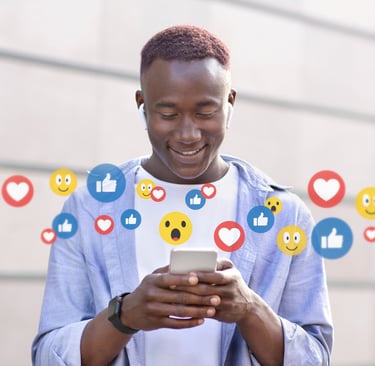
The conversation with a current client starts like this:
Me: “How did your last social campaign perform?
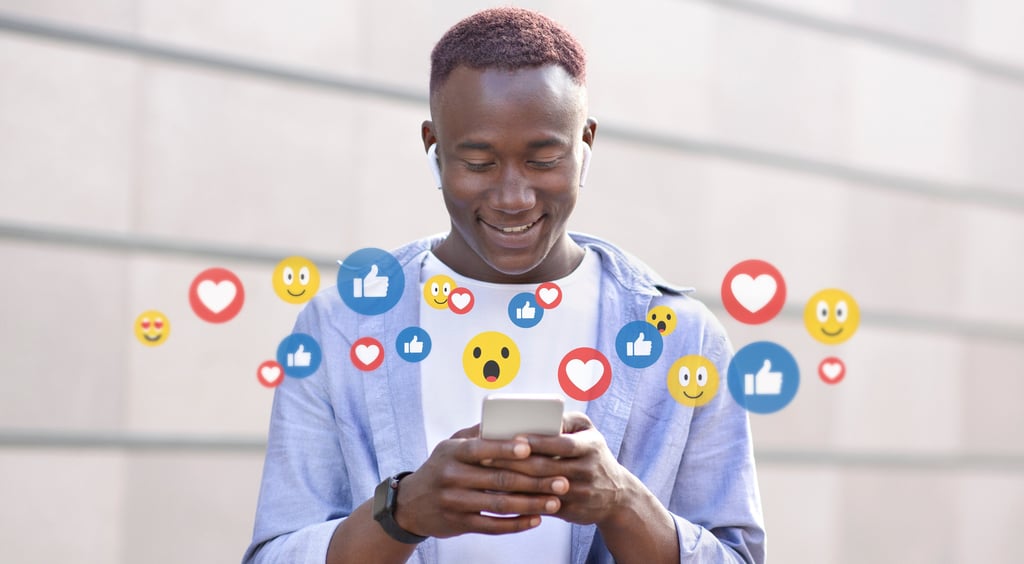
Them: “Great, we are almost at 1,000 likes!”
Me: “Bless your heart…that’s great!” (I’m from the south, google bless your heart - IYKYK).
So, that’s it. That’s the conversation, no real performance indicators, no numbers on the call to action, and no data supporting real engagement. I get it, we just don’t have time to do a thorough assessment of every data point for every piece of info we disseminate. But please don’t fall into the “like” trap!
I do not want to discredit the “like”, you should be proud of your “like” and cherish it. However, the “like” is a small indicator that, by itself, tells you little to nothing about your performance. So, I get a big kick when a communicator starts a conversation with the number of “likes” they received on a particular social media post. When we do that, we lose the true purpose of engaging with the public. Let’s get back to the big picture! Here are 5 major reasons government communicators should gauge social activity. (Thank me later.)
1. Understanding public sentiment
Get used to this, how does your audience feel? Yes, you have to know about public sentiment. Did your governing board piss off the community at your last public meeting? Are you implementing new fees for an old service? By gauging public feelings on social media, you can get a better sense of how emotional people are about your brand or topic, allowing you to address the grievances in your future messaging immediately.
2. Tracking trends
Look at your colleague’s pages, and other agencies in your field. Knowing what’s trending in your area of expertise is crucial to proactivity. Get in front of the messaging! Monitoring public engagement on your social media can help you stay on top of current trends and conversations in your industry, allowing you to create timely content that resonates with your audience.
3. Building relationships
Imagine this: Someone asks a question on your FB page, and you answer it, and it solves their problem! You have created a friend and made your government agency more accessible. I formerly worked for a Law Enforcement Agency that did not want the communications office to interact with the public at all through social media. (Let me say that again) - We couldn’t be social on SOCIAL media. Engaging with your audience on any platform can help you build relationships and foster loyalty with your constituency, leading to increased agency interaction and perceived trust.
4. Informing business decisions
By analyzing public engagement on social media, you can gather valuable insights that can inform your business decisions, such as initiative development or marketing strategies.
5. Improving customer service
We serve the public - so serve the public. Monitoring public engagement allows you to quickly address any customer concerns or feedback, showing your audience that you value their input and are committed to providing excellent customer service.
Thomas Y. Lynch


“How well we communicate is not determined by how well we say things but how well we are understood.”