
Before the Camera Rolls: Why You Need a Client Interview Protocol
Providing your organization with instructions for all media interviews will sharpen the process and your image
GOVERNMENT COMMUNICATIONS
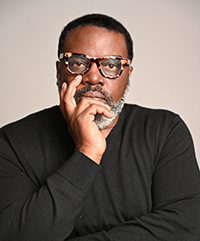
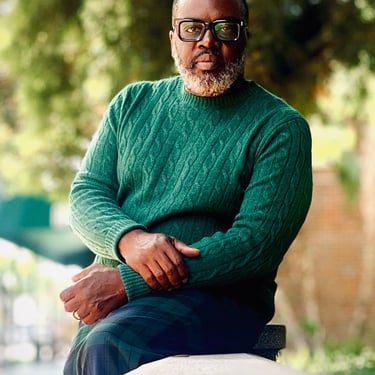
Thomas Y. Lynch
2/25/20263 min read


Thomas Lynch (me) presenting my interview protocol to LA County's Lived Experience Board.
A reporter calls. They're working on a story about homelessness, recovery, or reentry, and they want to talk to someone who has lived it. Your program has the right person in mind. So what happens next? Until recently, my office handled that situation pretty easily, but sometimes there were gaps and unforeseen difficulties. If the honest answer to these obstacles is "we'll figure it out," that's a problem. We wanted to make sure our clients and staff had clear directions, so we created a protocol just for media interviews.
Client stories are some of the most powerful tools a public agency or nonprofit has. People respond to people. A client explaining what changed in their life does more than any chart or program description. Those stories help secure funding, build support, and even change policy. They also come with real responsibility, and that's why your staff need a protocol to follow.
Here's why.
1. Someone is trusting you with their story
A client who agrees to an interview is handing you something personal, often the hardest chapter of their life. A protocol makes sure that trust gets handled the same way every time, with respect, from the first ask to the thank-you note. It keeps the focus on the people you're there to serve, not on what makes good copy.
2. Consent has to be real
Saying yes to an interview isn't the same as understanding it. Clients need to know the story will be public and that they'll likely be named in full. It may stay online long after they've graduated from a program, moved into housing or gotten sober. They should know they can skip any question and can change their mind without pressure. A good protocol builds those conversations in, gets a waiver signed early, and confirms the client has the capacity to understand what they're agreeing to.
3. You have less control than you think
With your own videos and newsletters, your team picks the questions, the setting and the final cut. With an outside reporter, you don't. A protocol gives you structure anyway. Ask for the angle, the planned questions, the format and the timeline up front, the same groundwork that makes for a strong relationship with reporters. Then prep the client with a call, and a mock interview if it helps, so nothing comes as a surprise.
4. Someone needs to be with the client
Reporters are professionals, but they're working for their story, not for your client. Your protocol should ensure a staff member is there the whole time, on site or by phone, ready to step in if a question gets intrusive or goes beyond what the client agreed to. It's the same thinking behind Why PIOs Should Exercise Media Control at Disaster Relief Centers: the people you serve come before the shot.
5. Everyone needs to know their role
Without a plan, program staff and communications staff either step on each other or each assumes the other one handled it. A clear protocol splits the work. Program staff identifies and asks the client. The communications team handles the reporter, the prep call and the waiver. A short checklist keeps anything from slipping through.
6. Expectations need managing
Reporters don't use everything they collect, and some stories never run. A client who opened up and then never sees the story can feel let down, or worse, like they did something wrong. Say it up front, follow up when the story runs (or doesn't) and send a thank-you note. That keeps the relationship intact and makes them more likely to share again.
The bottom line
A media protocol isn't red tape. It protects the people whose stories you're telling, protects your organization's reputation and keeps your best advocates willing to work with you. So build it before the reporter calls. Here is one you can use as a template.
Thomas Y. Lynch


“How well we communicate is not determined by how well we say things but how well we are understood.”